310815_02.jpg

31.08.2015: Arrecife

Arrecife


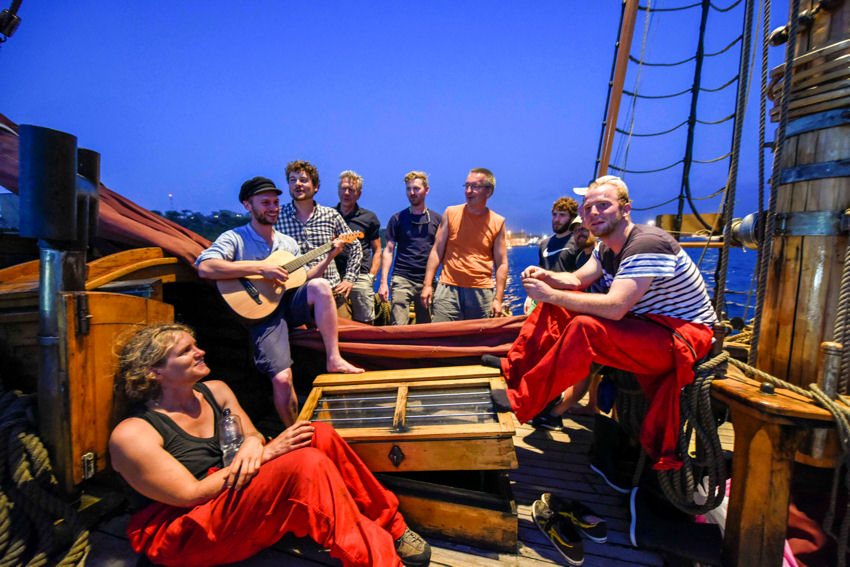
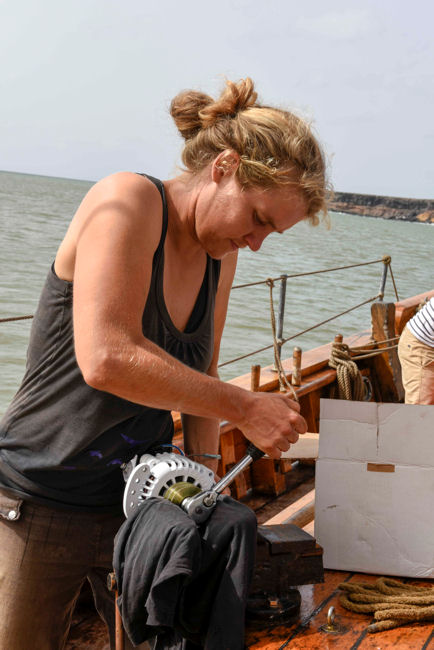
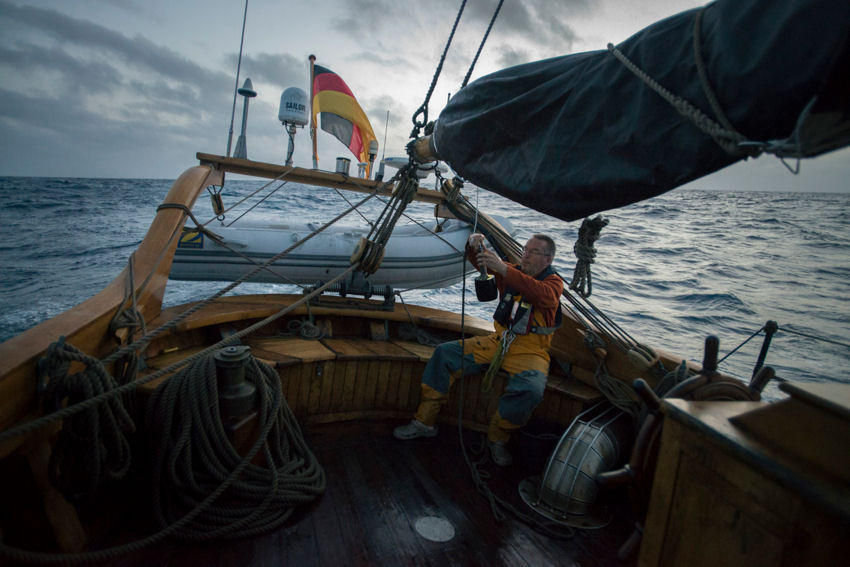
It took us about a week to cross to Lanzarote. The ship's routine goes on as usual. The steering gear is still giving us some problems - we are forced to furl the sails and continue on under engine.


We celebrate Ruben's 20th birthday on August 28th. We are all preparing ourselves for the fact that there will be no land in sight for a while. Sightings of other ships on the horizon or on the AIS (a marine digital radar system) are becoming fewer and eventually there are none at all.


Humpback Whale


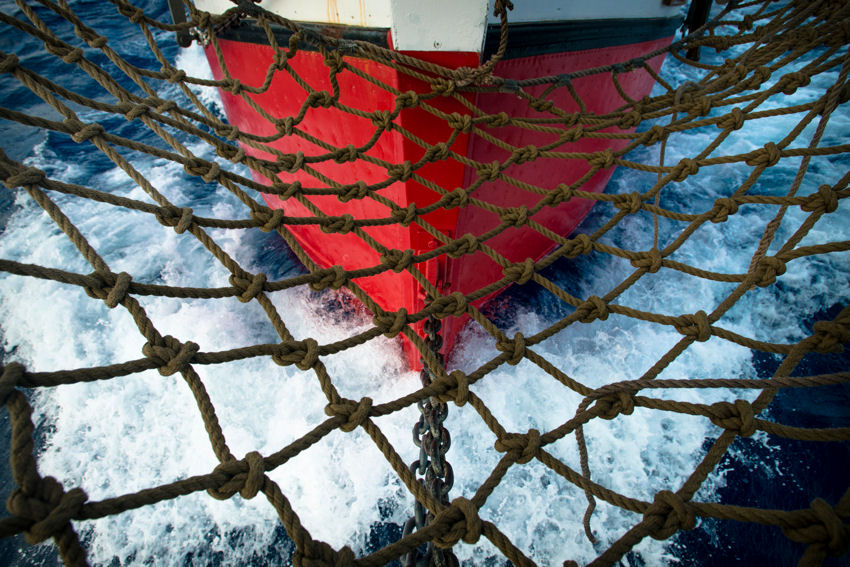
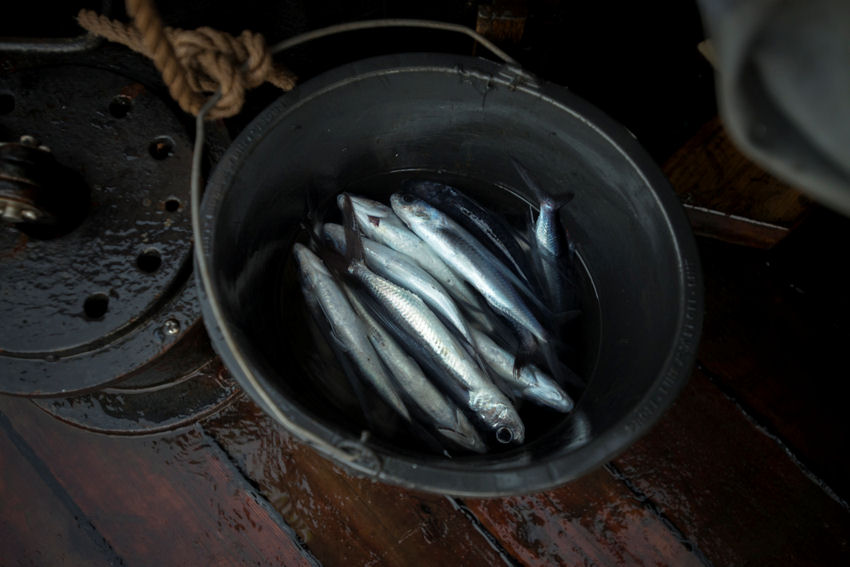
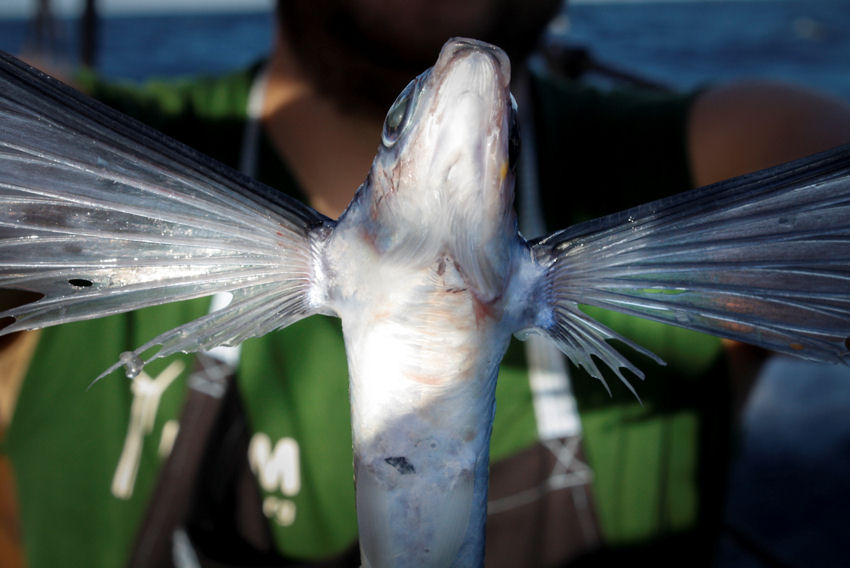
The helm watch can see nothing but the water surface from the deck. Considering the monotony of it all, an unexpected observation surprises even more. A young humpack whale that jumps at the horizon and dives beside the ship showing us its fluke - and another whale that accompanies the Dagmar for a few minutes. While the ship plows through the water the bow wave scares up other sea creatures. In twos or small swarms they flee as quickly as lightning in a gliding motion which reminds one of dragonflies meters over the crest of the waves. Of course we are referring to flying fish. Also a sea turtle that seem sluggish and leisurely in contrast passes us going in the other direction.


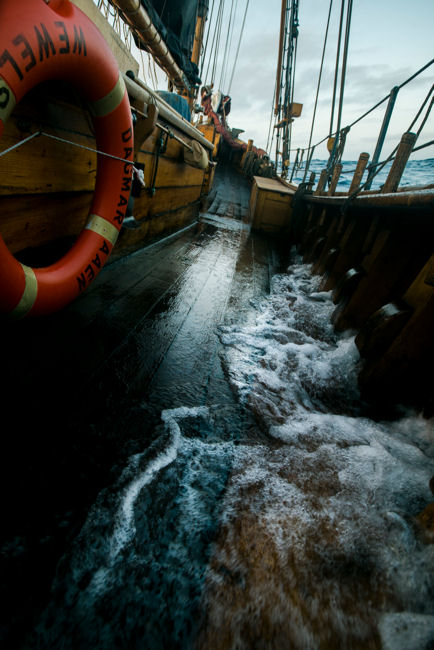
During the night before the eyes of the 0/4 watch small fish jump from the moon-lit bow wave and are chased by predatory fish. Observations such as these are the exception and not the rule. Marine phosphorescence glows in each wave that spills over the deck.


Destination Praia


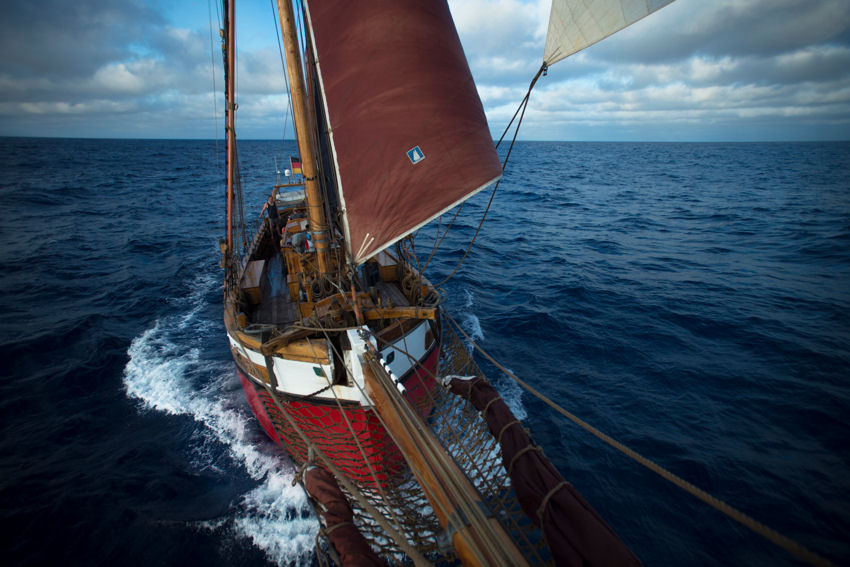
From the board, one looks only at the surface of the sea and of course you realize that it is a diverse habitat for various life forms. One sees more than just "water".


We are looking forward to what the stretch holds for us on the way to our next destination. Arndt and Frauke came on board in Arrecife and are now two new crewmembers. We are heading for Praia the capital city of the Republic of Cabo Verde.


Jeremias Stein


130915_02.jpg

13.09.2015: Praia


Cape Verde Islands


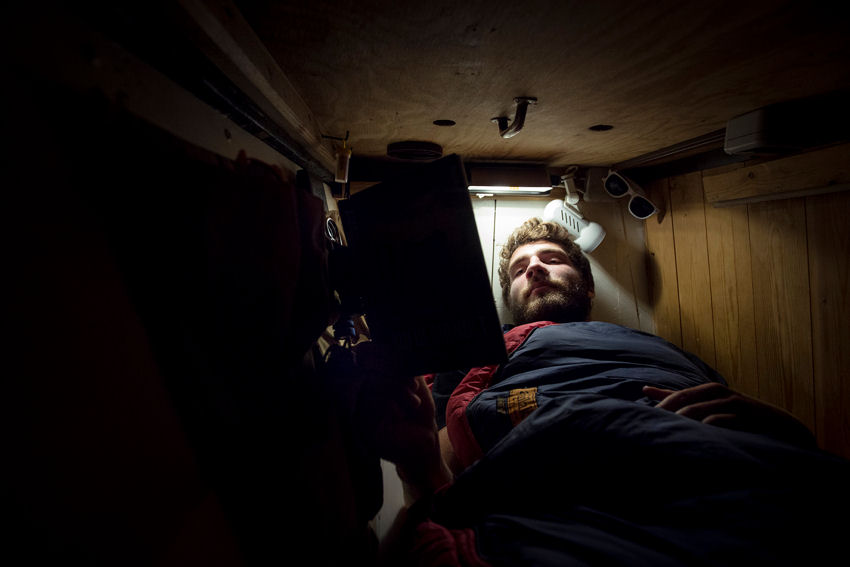
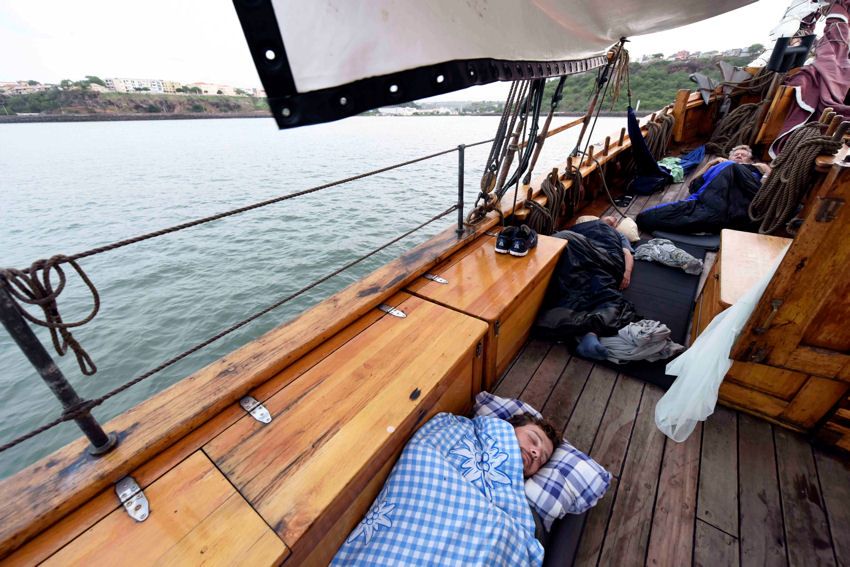
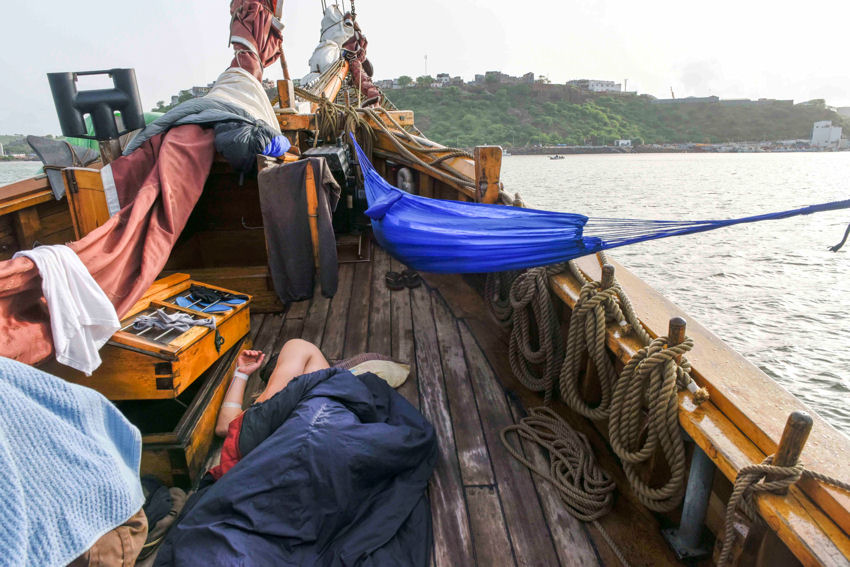
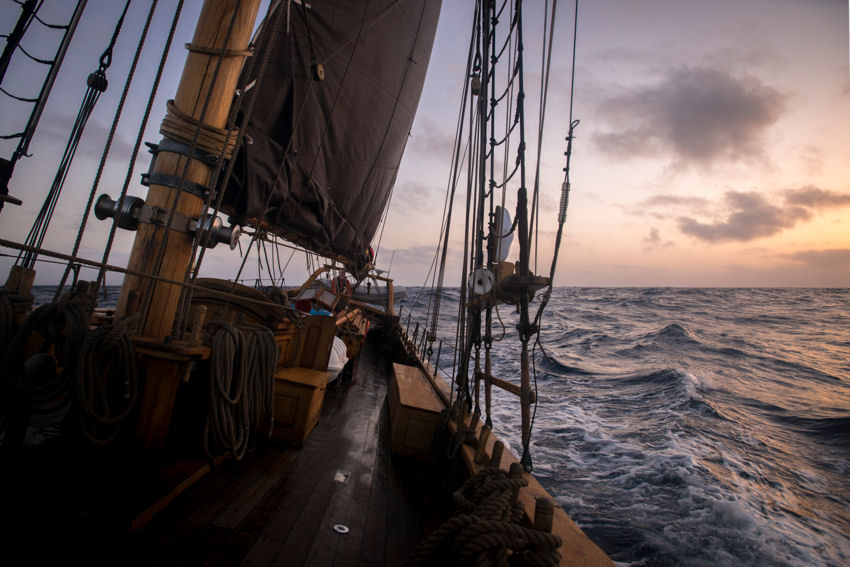
The trade winds carry the "Dagmar Aaen" southward over long distances. With each mile further south, the heat under deck increases and the watches are grateful when a small breeze comes up after sundown. Water temperatures of about 30° heat up the bunks and with a humidity of 90% the temperatures rise to over 40° in a small place no one wants to spend more time than necessary.


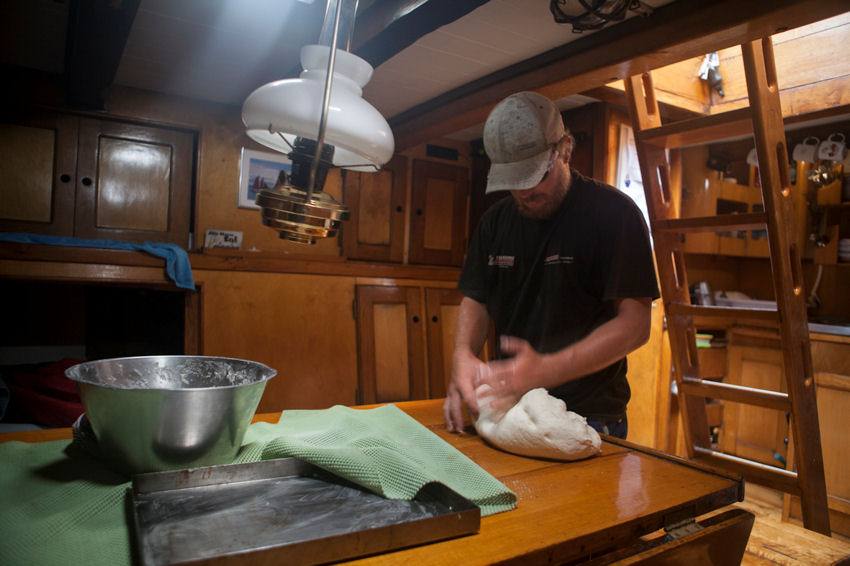
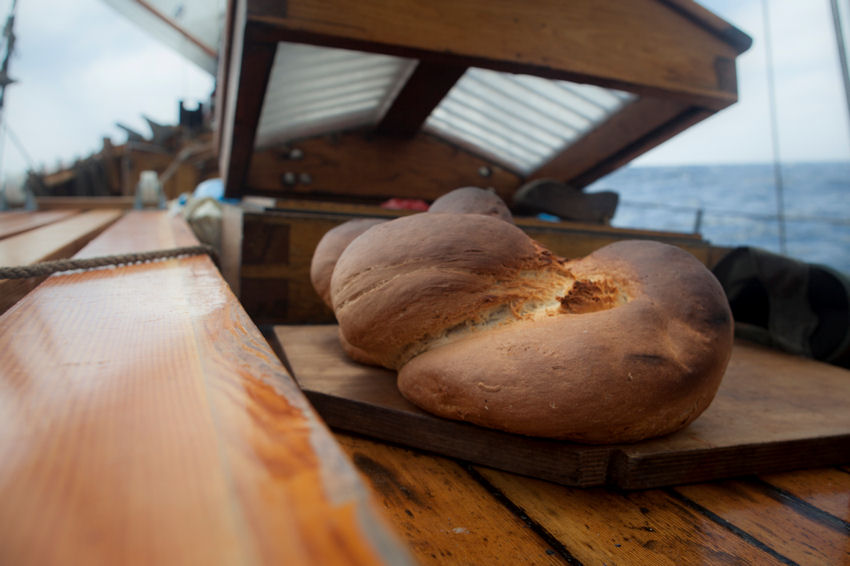
A protective sun sail is hung over the deck at noon; the foresail fulfills this function over the skylight and the deck is watered daily with the discharge of cooling water from the engine. It is, however, still necessary to bake bread in consideration of the decline in supplies. The watch below deck hastily leave their bunks when Fabian turns on and heats up the oven for the dough he has prepared. But, it is worth it! As compensation for the even greater heat there is a crusty loaf of fresh bread.


Praia on Santiago


The conditions under deck on the "Dagmar Aaen" are paradox in a way. In Hermann Melville's world-famous novel Moby Dick, the main character is anxious to be "in front of the mast", which for a simple seaman means to be hired on a ship. His wish is fullfilled on the whaler "Pequod". On board the "Dagmar Aaen" it is just the opposite. Midship "behind the mast" the ship cook's activities and the sporadic presence of six crewmembers ensure high temperatures. The foredeck, on the other hand, is aired at least to a fraction by the skylight and offers room for four people at most. This number causes less noise for the people sleeping below deck when there is a watch change. These are only a few reasons why the term "in front of the mast" wins a new meaning on board this ship.


After ten days on the high seas we have a shadowy sighting, in hazy weather, of the first Cap Verde Islands. As we approach our destination Praia on the island Santiago in the daybreak of September 10th, we come to realize where this "Green Cape" gets its name from. Above the steep coastlines we can see green fields and mountains and the morning winds carry the scent of the damp earth over to us. Following a temporary docking at the fishing pier and a consultation with the harbormaster, the anchor falls in the bay of Praia.


Outboard Motor


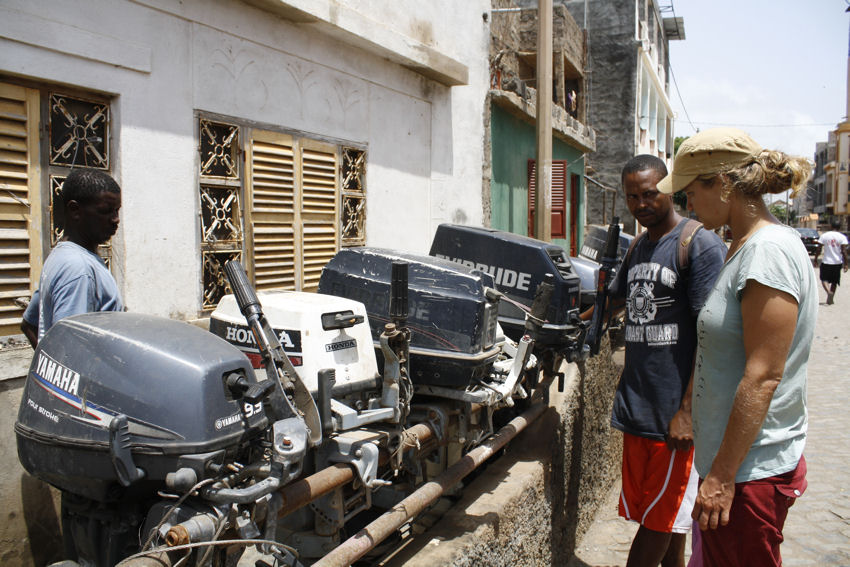
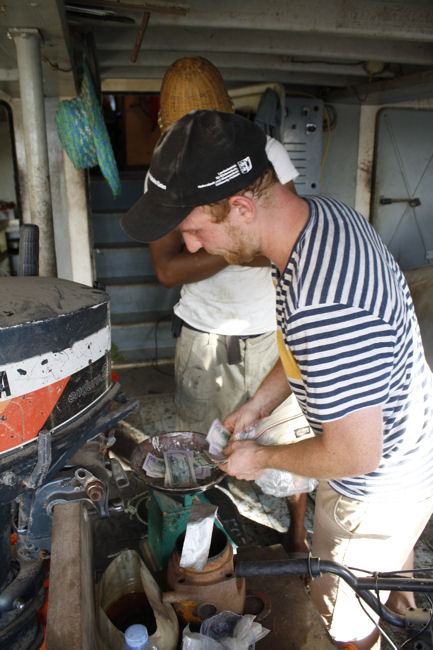
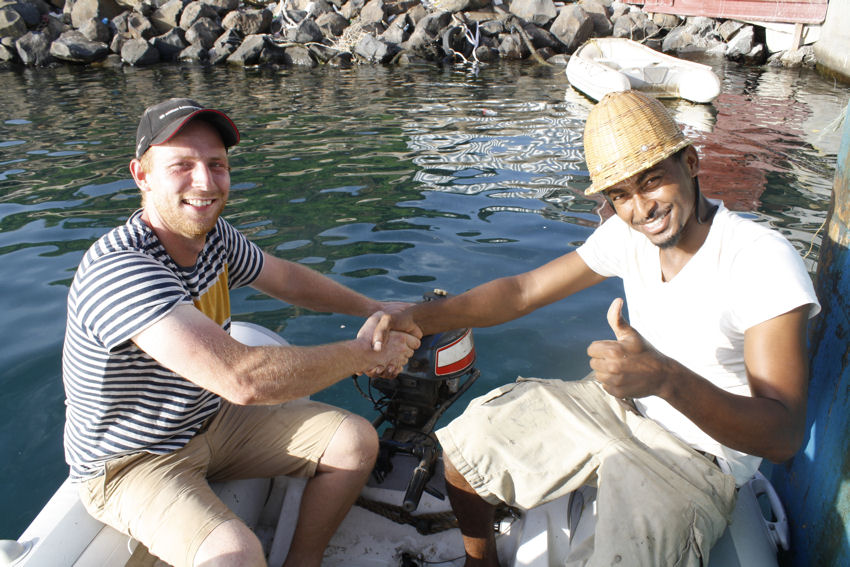
During the night of September 13th, our dingy, which was attached on the starboard side, was unfortunately stolen. After long discussions with the local police, we got the boat back; it had been in police custody, but the outboard motor was still missing. Frauke and Justus, therefore, set out to find a replacement as quickly as possible. In the end they found an air-cooled 5 PS motor which was rather old but fulfilled its purpose and got us loudly but not all that slowly through the water.


Jeremias Stein


191015_02.jpg

19.10.2015: Fernando de Noroñha


Fernando de Noroñha


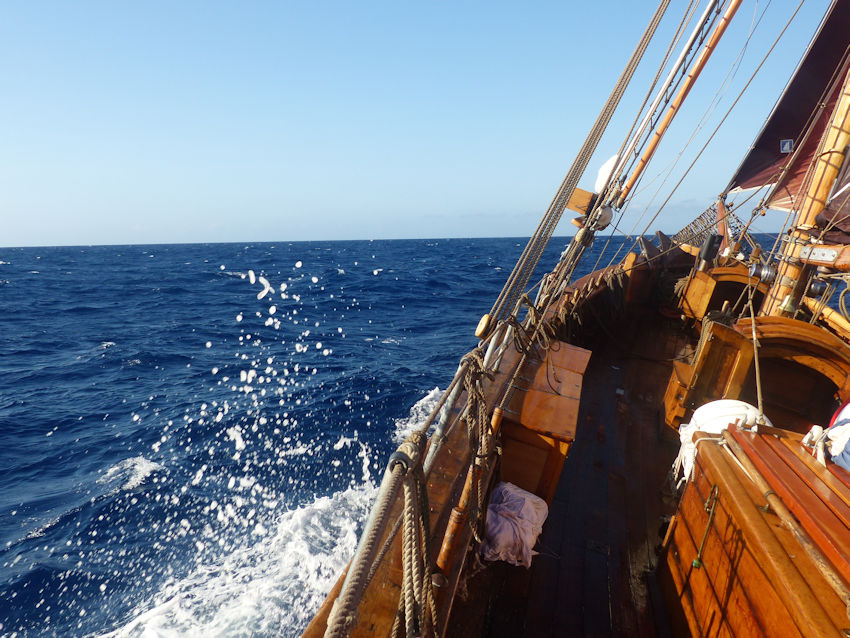
After 1391 miles, 296 hours, 37 changes of watch and on the average 1,85 turns as messmate we have crossed the Atlantic. We were able to sail half of the distance. There was no wind at the beginning but it later turned into a sailor's dream. We hardly had to adjust the sails while sailing. It was sometimes necessary to give in or harden in the sheets a little; once in a while we had to furl the flying jib and set it again later.


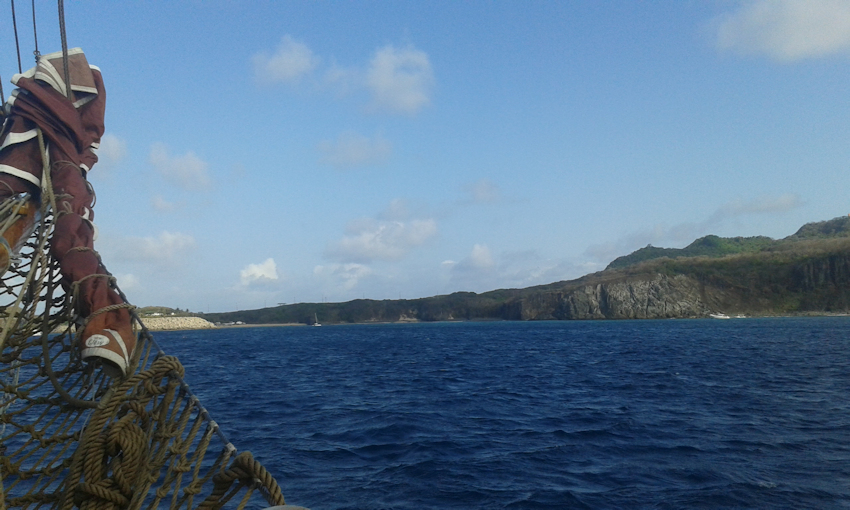
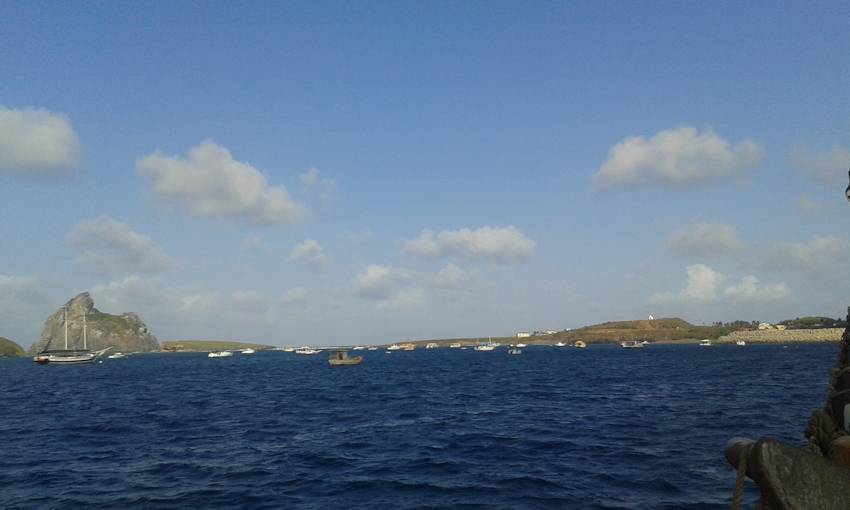
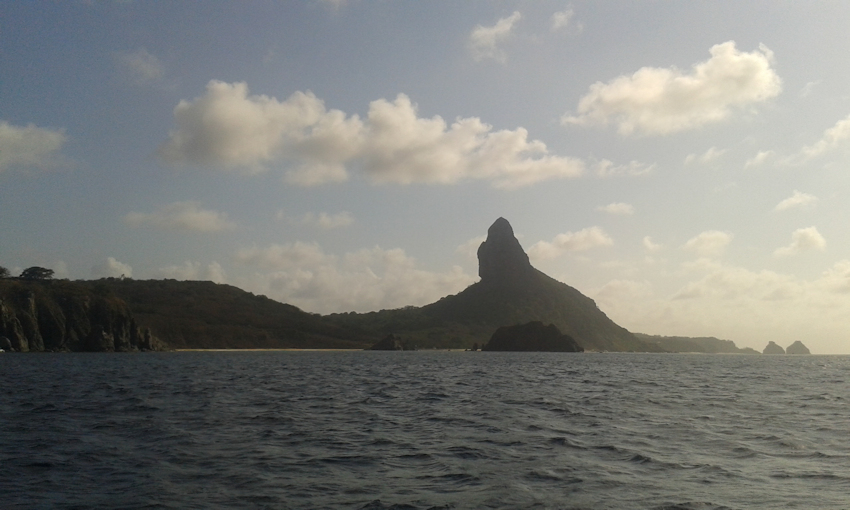
We sighted land in the night from the 10th to the 11th of October. It was at first just a glimmering glow; later we could see a light, the contours of an island and the lights of some houses. Finding an anchorage was, however, rather difficult. While approaching, we realized that several boats of different sizes were at anchor in the bay and some of them had not turned on their anchor lights. We accordingly dropped our anchor carefully and waited for daylight to find a better spot.


Vacation Paradise


When we finally reached land we were given a truly friendly welcome by Marcus the port captain. It wasn't a minute before we all had a Cafesin - a small coffee - in our hands. The necessary papers were quickly filled out and Marcus overloaded us with information in Portuguese. Our knowledge of Portuguese not being sufficient, we eventually had to use the internet for help. Unfortunately, neither the federal nor the marine police were available on a Sunday. The entry procedures then lasted all of Monday and Tuesday morning.


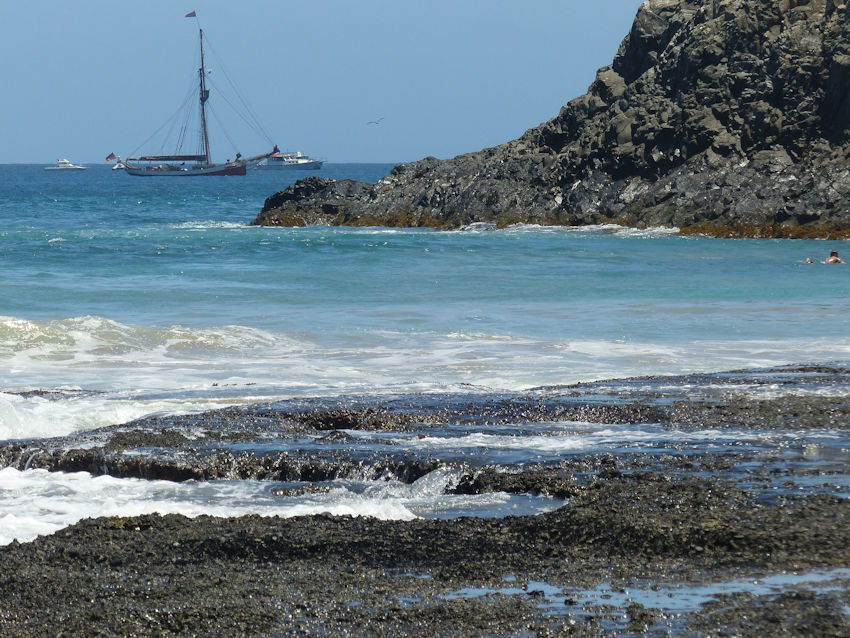
But now we are enjoying this wonderful island. It is a Brazilian vacation paradise: snorkeling, diving, surfing, beach bars, dolphins, turtles, lizards, iguanas, many diffeent birds over the water...


Volker Wenzel

291015_02.jpg

29.10.2015: Natal


Natal


Our several-day stay on the island Fernando de Noronha, which was spent waiting for the new crew members to arrive, was eventful and interesting. We hadn't had the pleasure of a real shower in quite a long time and were counting on the sanitary facilities in the harbor - negative. The only possibility to shower in fresh water was to use the showers on the beaches.


The great number of dune buggies here was also remarkable. A vehicle species which pretty well died out in Germany in the seventies is enjoying a comeback here, however with the notorious, smelly beetle-motors.


Shortly following our crew change, we hoisted the anchor in the morning, set sails and set our course for Natal on the Brazilian mainland coast. The winds were once again on the port side - after about 1000 nautical miles we have almost forgotten how to tack and sail with the winds on the starboard side.
Luckily we had read up on harbor etiquette for our clearance: it calls for a special dress code with long pants - clean ones - that goes without saying. So we fished out the best we had so as not to appear like the pirates of the Caribbean. On the morning of October 22nd we can see the lights of the city of Natal - we have reached the South-American continent without experiencing any major incidents.


Club de Natal


The narrow marine harbor entrance seperates the high sand dunes with their recreational activities on the north side from the many high-rise towers on the south side. We enjoy this final point in our Atlantic crossing with the passing under the suspension bridge in the direction of the Club of Natal - the city's marina. Ok, marina is a bit of an exaggeration. Most of the sailboats are using the visitor moorings as there are only a few jetties. So we paddle to the beach near the marina and many of us set foot for the first time on the soft sands of this continent.


We divide up in groups and proceed with the necessary "errands": One group takes a taxi to the city to get supplies (this include a small tour of the city which allowed the taxi driver to profit). Frauke and Volker take care of the red-tape matters. The hurdles in the mutual language understanding seem almost insurmountable, but the PC keyboard belonging to the harbor office is passed back and forth and with the help of a translation program, communication is made possible. It works well and the clearance procedures can be completed.


After a long search in the afternoon we find a diesel tank behind a big fishing boat and dock alongside to fill up the ship's tanks. While we are filling up, we are visited by some fishermen and the diesel merchant. They surprise us with coconuts to refresh us and give us two bottles of Brazilian rum (naturally only to be consumed on cold days!). We are all amazed at such hospitality!


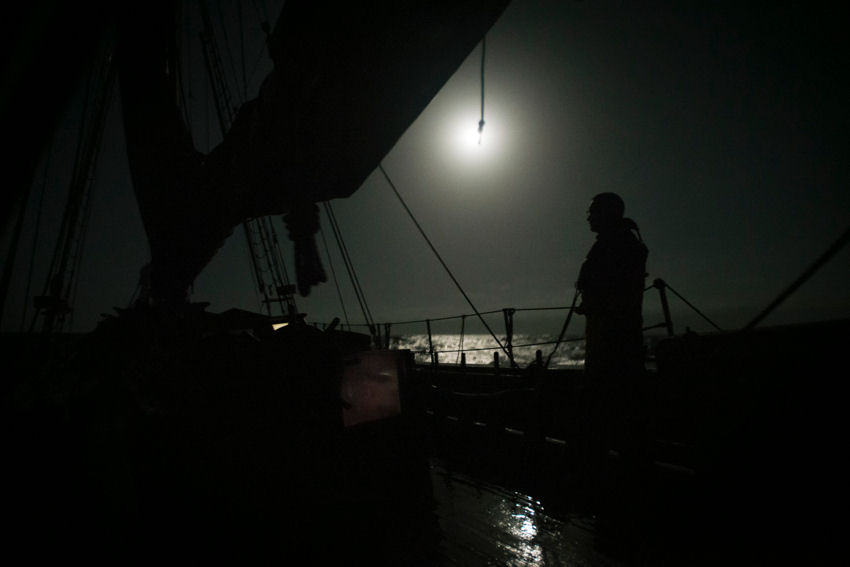
The full moon takes care to light up our way


We head south the next day. Some of us are sitting on deck and reading, among other things about the exciting experiences of Gunther Plüschow who travelled from Büsum to Tierra del Fuego in the beginning of the last century in a sailing ship - on almost the same course as the "Dagmar Aaen" has taken.


In the night sky we can now see the Southern Cross and Jupiter, Mars are Venus obviously have a rendezvous. We are enthused about the clear night sky and the full moon takes care to light up our way.
But that's not all: The following morning we see a humpback whale breach in the distance and two minke whales are swimming about in the shallow coastal waters. They appear then very close next to the "Dagmar Aaen".


Dirk Schröder-Brandi


171115_01.jpg

17.11.2015: Punta del Este


Punta del Este


The "Dagmar Aaen" has left the Sugat Loaf and Rio de Janeiro behind. Fabian, Lara and Volker, the new crew members, arrived in the Brazilian metropolis and with the rest of the crew experienced, in the following days, the forerunners of the storms around Cape Horn.


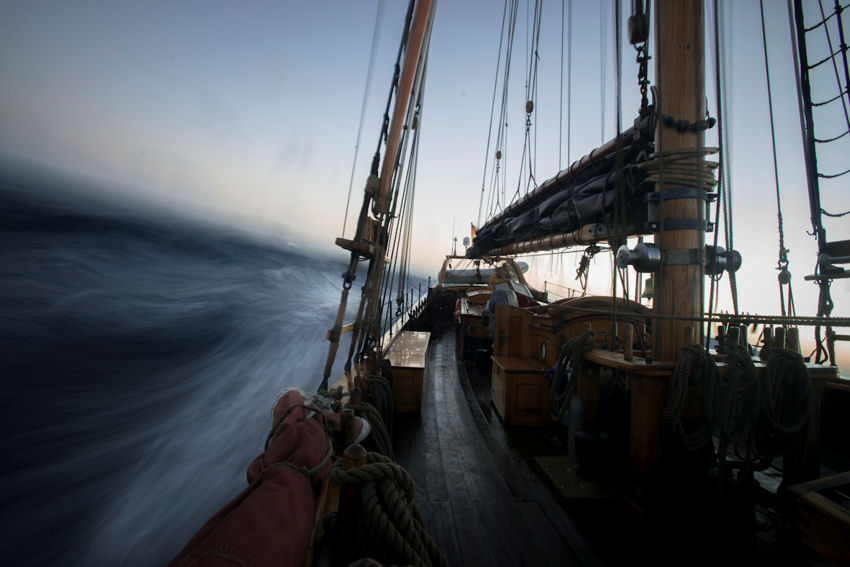
The winds became stronger shortly before the weekend; they came initially with a force of 8 Beaufort from eastern. This is the reason for Volker's attempt to motor the vessel closer to the coast in order to evade the southerly winds under land. The ship still managed to reach a speed of 8 knots.


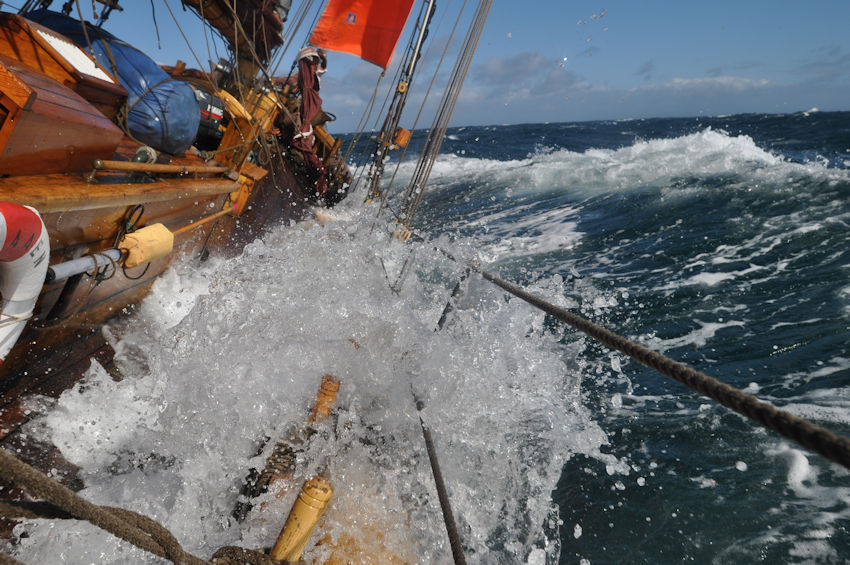
But conditions worsened steadily. On Saturday nothing at all worked - winds at force 9 head on, the "Dagmar Aaen" drifted slightly eastwards and Volker decided to heave to. Later in the day, winds blew with a force of up to 40 knots. Both the crew and the ship were under a great strain.


The winds gradually decreased to 20 knots, the ship drifted partly at 5 knots therefore the drift speed was 2,2 knots. Despite these adverse conditions, the "Dagmar Aaen" reached the harbor of Punta del Este in Uruguay on time. John, a longtime crew member came on board there.


The ship is planned to arrive in Ushuaia in the first week of December at the latest. Here Arved Fuchs will come on board to tackle the upcoming projects around Cape Horn and the Antarctic Peninsula.